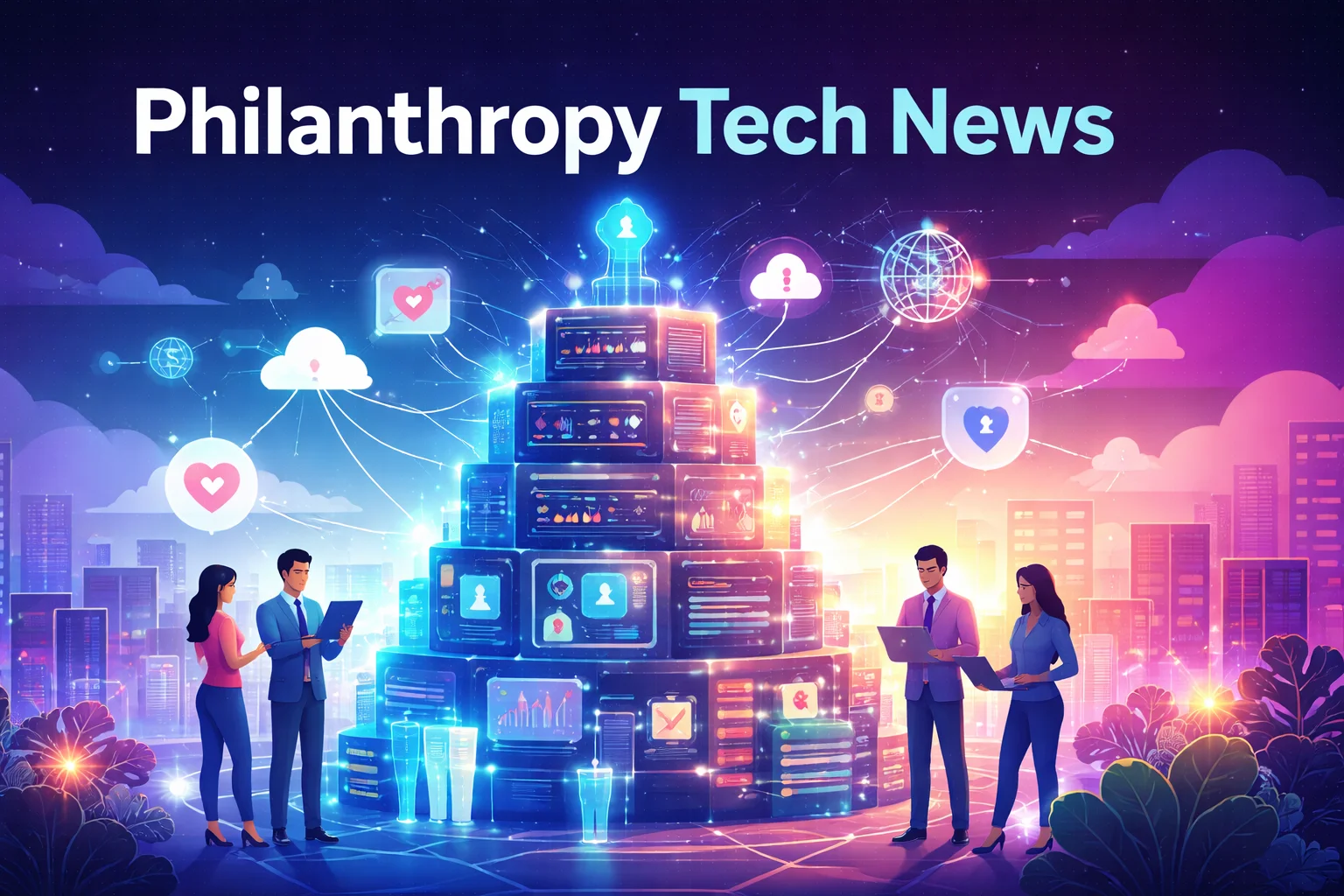
Technology is changing almost every industry, and charity is no exception. Today, philanthropy tech news focuses on how digital tools, artificial intelligence, data analytics, and innovative platforms are reshaping the way people give, fundraise, and create social impact. From online donation systems to advanced analytics that predict social needs, technology is redefining modern philanthropy. Even large digital ecosystems sometimes described as a “tech tower” — meaning interconnected layers of platforms, tools, and data — are now driving how nonprofits operate, communicate, and grow.
This article explores the full landscape of philanthropy technology, the trends shaping the industry, why readers search for this topic, and what the future holds for digital giving.
What Is Philanthropy Tech News?
Philanthropy tech news refers to coverage, insights, and analysis about how technology influences charity, nonprofits, social innovation, and impact-driven organizations. It sits at the intersection of three major areas:
- Philanthropy and nonprofit work
- Technology and digital transformation
- News, trends, and industry analysis
Unlike general charity news, this niche focuses on innovation. Readers expect to learn about emerging tools, AI-powered decision-making, blockchain transparency, and new fundraising strategies.
In simple terms:
Philanthropy tech news explains how technology helps organizations solve social problems faster and more efficiently.
This can include updates about new donation platforms, data-driven philanthropy strategies, nonprofit software, and innovations that help donors understand where their money goes.
The Evolution of Technology in Philanthropy
Traditional Giving vs Digital Giving
Historically, philanthropy depended heavily on manual processes. Donations were often collected through physical events, direct mail campaigns, or local fundraising initiatives. Tracking outcomes was slow, and donors rarely had detailed insights into impact.
Digital technology changed everything.
Online platforms made global giving possible. Anyone can now support a cause with a few clicks. Nonprofits shifted from paper-based systems to integrated digital ecosystems — sometimes described metaphorically as a “tech tower” where fundraising, communication, analytics, and donor management operate together.
Rise of Online Donation Platforms
Crowdfunding platforms revolutionized fundraising. They allowed individuals to share stories, create campaigns, and reach global audiences instantly. These tools expanded access to philanthropy and removed traditional barriers.
Key changes include:
- Real-time donation tracking
- Social media sharing
- Peer-to-peer fundraising models
- Transparent reporting.
Data-Driven Philanthropy
Technology enabled charities to analyze large amounts of data. Instead of relying only on intuition, organizations can now identify trends, understand donor behavior, and measure outcomes more precisely.
Data analytics helps nonprofits answer questions like:
- Which campaigns work best?
- Which communities need urgent support?
- How can donor engagement improve?
Key Areas Covered in Philanthropy Tech News
AI and Machine Learning in Nonprofits
Artificial intelligence is becoming central to modern philanthropy. AI tools can analyze social issues, forecast crises, and help organizations allocate resources effectively.
Examples include:
- Predictive models for disaster relief
- Automated donor communication
- AI-powered grant selection.
These tools reduce operational costs while improving decision-making.
Blockchain and Transparency
Trust is critical in philanthropy. Blockchain technology helps increase transparency by creating permanent, traceable records of transactions. Donors can track how funds are used, which improves confidence and accountability.
Blockchain solutions are especially useful for:
- International aid distribution
- Financial transparency
- Fraud prevention.
Digital Fundraising Platforms
Digital platforms have transformed fundraising strategies. Nonprofits now use integrated systems that manage:
- Online donations
- Email marketing
- Event registration
- Donor analytics.
These tools often function like layers in a tech tower, where each component supports the overall mission.
Data Analytics and Impact Measurement
Impact measurement is a major topic in philanthropy tech news. Organizations want to demonstrate results, not just activities.
Technology helps measure:
- Social outcomes
- Engagement levels
- Community impact metrics.
This shift toward measurable impact has influenced donor expectations as well.
Social Media and Community-Based Giving
Social platforms allow causes to reach massive audiences quickly. Viral campaigns, influencer partnerships, and peer-driven initiatives are now common.
Benefits include:
- Increased visibility
- Younger donor engagement
- Rapid response fundraising during crises.
Why Philanthropy Tech News Is Growing Rapidly
Several factors explain the increasing interest in this niche.
Digital Transformation of Nonprofits
Organizations are moving from traditional models to digital-first strategies. Technology improves efficiency, scalability, and communication.
Changing Donor Behavior
Younger donors prefer online giving experiences. They expect transparency, personalization, and immediate updates.
Global Accessibility
Technology connects donors and causes worldwide. Geographic barriers are disappearing.
Innovation Culture
Tech startups focusing on social good are attracting attention. New tools continue to reshape how impact is created.
Because of these factors, philanthropy tech news has become essential for anyone working in nonprofits or social innovation.
Major Trends Shaping Philanthropy Technology
AI-Powered Decision Making
AI helps organizations analyze large datasets to identify priorities and optimize resources. This allows nonprofits to operate more strategically.
Automation in Nonprofits
Automation tools reduce repetitive tasks such as email outreach, reporting, and donor follow-ups. Staff can focus more on mission-driven work.
Ethical Technology for Social Good
As technology grows, ethical concerns also increase. Topics such as data privacy, algorithmic bias, and responsible AI are central to discussions in philanthropy tech news.
Personalized Donor Engagement
Technology allows nonprofits to tailor messages to individual donors. Personalized experiences improve retention and long-term relationships.
Integrated Digital Ecosystems
Modern nonprofits often operate within complex digital infrastructures — similar to a layered tech tower — combining CRM systems, analytics tools, marketing automation, and communication platforms.
Who Follows Philanthropy Tech News?
The audience for this niche is diverse.
Nonprofit Leaders
They need insights into tools that improve efficiency and impact.
Social Entrepreneurs
Startups focused on social innovation monitor trends to find opportunities.
Investors and Impact Funds
Technology-driven philanthropy creates new investment categories.
Corporate Social Responsibility (CSR) Teams
Companies use technology to manage and measure social initiatives.
Technology Professionals
Developers and analysts interested in “tech for good” follow innovations shaping the industry.
Real Examples of Philanthropy Tech Innovations
Technology has enabled numerous groundbreaking developments.
Crowdfunding Evolution
Crowdfunding platforms democratized fundraising. Small organizations can now reach millions without traditional networks.
Digital Donation Ecosystems
Integrated platforms manage entire donor journeys, from awareness to retention.
Impact Tracking Software
Software tools track outcomes in areas like education, health, and environmental projects. This helps organizations prove effectiveness.
Mobile Giving
Mobile apps allow instant donations, increasing participation during emergencies.
These innovations form interconnected systems — like a growing tech tower — that support modern philanthropy.
Benefits and Challenges of Technology in Philanthropy
Benefits
- Greater transparency
- Faster fundraising
- Data-driven decisions
- Global collaboration
- Improved efficiency.
Technology allows organizations to scale their impact in ways previously impossible.
Challenges
- Data security risks
- Digital inequality in underserved regions
- Technology adoption costs
- Training requirements for staff.
Balancing innovation with ethical responsibility remains important.
The Future of Philanthropy Tech News (2025–2030)
Looking ahead, several developments are likely to shape the future.
AI-Driven Philanthropy
AI will continue to improve resource allocation, crisis prediction, and donor engagement strategies.
Decentralized Giving
Blockchain and decentralized systems may create new models of trust and accountability.
Predictive Impact Analytics
Organizations will increasingly use predictive tools to forecast outcomes and guide decision-making.
Hyper-Personalized Donor Experiences
Technology will allow tailored communication based on donor preferences and behavior.
Expansion of Digital Infrastructure
As nonprofits adopt integrated platforms — similar to evolving tech tower structures — workflows will become more streamlined and collaborative.
How Organizations Can Stay Updated with Philanthropy Tech News
Staying informed is essential in this fast-changing landscape.
Practical strategies include:
- Following industry blogs and newsletters
- Joining nonprofit technology communities
- Attending digital conferences and webinars
- Monitoring emerging startups in social innovation.
Continuous learning helps organizations remain competitive and effective.
Conclusion
Technology is transforming the way society approaches giving and social impact. Philanthropy tech news highlights the innovations that drive this transformation — from AI and blockchain to digital fundraising and data analytics. As nonprofits embrace integrated digital systems, often resembling complex tech tower environments, they gain new tools to operate efficiently, build trust, and create measurable change.
The future of philanthropy lies in combining compassion with innovation. Organizations that understand and adopt technology will be better positioned to solve global challenges and inspire the next generation of donors.