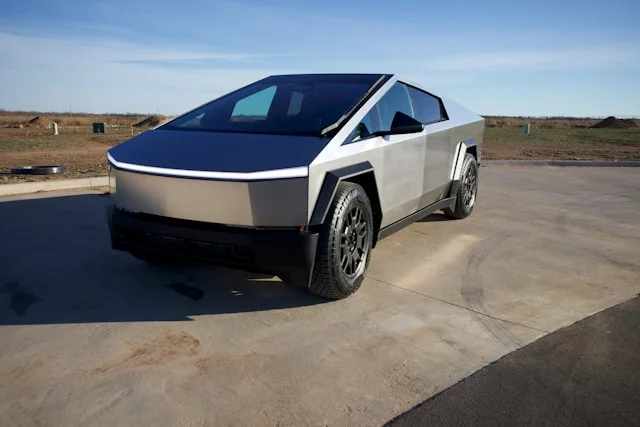
In recent years, the phrase pentagon big tech tesla cybertruck has become a topic of intense interest online. No longer is the Cybertruck just a futuristic electric vehicle that turns heads. The U.S. Air Force has plans to acquire a pair of these trucks not for driving, but for live‑fire testing as part of battlefield training. This intriguing development has sparked discussions about the evolving relationship between the U.S. military and major technology companies. In this article, we explore what this means, why it matters, and how it fits into a larger story about military modernization and tech innovation.
Understanding the Pentagon’s Relationship with Big Tech
The partnership between the Department of Defense (DoD) and major tech firms did not happen overnight. It has grown over the last decade as warfare has become more dependent on advanced technologies.
Historical Background
In the early 2010s, the Pentagon began reaching out to Silicon Valley. The goal was simple: speed up innovation. Traditional defense contractors were strong in hardware and weapons systems, but not in software, cloud technologies, or artificial intelligence. The DoD needed expertise in these areas. Big tech companies like Amazon, Microsoft, and Google were already world leaders in cloud computing and data analytics.
This outreach accelerated after the Pentagon’s “Third Offset Strategy,” which aimed to use cutting‑edge technologies to maintain a strategic advantage. What started as pilot projects became long‑term collaborations. Today, the Pentagon works with dozens of tech companies in areas ranging from cybersecurity to satellite communications.
Big Tech Contracts With the Pentagon
Tech companies have landed major defense contracts in recent years:
- Cloud computing agreements that modernize Pentagon data system
- AI research deals to help automate decision‑making and analysis
- Space and satellite services, including communications in remote theaters
These partnerships reflect a shift. The Pentagon is no longer just buying tanks and jets. It is investing in software, networks, and next‑generation tools.
Why the Air Force Wants Tesla Cybertrucks
One of the most unusual developments in this trend is the Pentagon’s interest in the Tesla Cybertruck. On the surface, it may seem surprising. But there are clear reasons behind it.
Military Training and Missile Target Use
The U.S. Air Force listed a request to acquire 33 vehicles for a program aimed at improving battlefield realism. Among these were two Tesla Cybertrucks.
The plan is not to outfit these trucks for military missions. Instead, the Air Force wants to use them as target vehicles in live‑fire missile tests. The logic is straightforward: adversaries may one day use similar advanced civilian vehicles in conflict zones. Preparing soldiers to recognize and engage these vehicles makes training more realistic.
According to public filings, vehicles used for this purpose must be towable and able to be placed in various test configurations. They do not need to be fully operational. The goal is to simulate real‑world conditions as closely as possible.
Technical Features That Make Cybertruck Interesting
The Cybertruck is unlike traditional pickup trucks. It has a bold and futuristic design with a stainless steel exoskeleton. This gives it a distinctive visual and physical profile. In filings, the Air Force notes this design differs from more common painted steel or aluminum bodies.
Although Tesla has used terms like “bulletproof” in marketing, the military’s focus is on how such vehicles would behave under fire. Training with modern vehicles helps ensure that warfighters are prepared for diverse threats.
Strategic and Symbolic Implications
The decision to include Tesla vehicles in military testing has strategic implications beyond training.
Military Significance of Big Tech Integration
The intersection of the Pentagon with companies like Tesla reflects the broader integration of civilian technologies into defense planning. Modern conflicts are not just fought with tanks and fighters. They involve satellites, AI algorithms, autonomous systems, and electronic warfare tools.
Tech companies are at the forefront of these innovations. Their expertise helps the military keep pace with rapid technological change. The collaboration also signals that defense planners see everyday technologies—once considered purely commercial—as relevant to future combat scenarios.
Public Perception and Symbolism
The fact that the military is using Tesla Cybertrucks has symbolic value. For the public, the image of a futuristic civilian truck being blown up in missile tests is striking. It captures attention and raises questions about the future of warfare.
Experts see this as part of a broader cultural shift. The boundaries between civilian innovation and military application are increasingly blurred. This reflects both the growing role of tech in national security and the Pentagon’s willingness to leverage non‑traditional defense tools.
Ethical and Policy Considerations
With such collaborations come ethical and political questions. These discussions are often missing from media summaries but are essential for understanding the full picture.
Civilian Tech in Defense
Is it appropriate for civilian technologies like the Cybertruck to be part of military training? Some argue it is a practical response to a changing battlefield. Others raise concerns about the militarization of everyday products.
These debates touch on public trust and corporate responsibility. When a product is used—even indirectly—in a military context, it changes how the public perceives that technology.
Controversies and Debates
The partnership between tech firms and the Pentagon is not without critics. Some worry that defense contracts may pull companies away from consumer‑focused innovation or compromise their values. Others highlight privacy and civil liberties concerns, especially when AI or data analytics are involved.
For Tesla, the involvement is indirect and limited. Tesla is not selling vehicles specifically to the Pentagon. But the Air Force’s interest raises questions about how civilian products are viewed in future defense scenarios.
Future Trends and Global Context
Looking ahead, the concept behind “pentagon big tech tesla cybertruck” points to broader trends in defense and technology.
Potential Adversary Adaptations
Military analysts often plan for the unexpected. If non‑traditional vehicles like the Cybertruck show up on a future battlefield—whether repurposed by adversaries or used by civilians in conflict zones—training against them makes sense.
There is already evidence that custom vehicle configurations have been used in conflict settings. This further underscores the need for flexible and realistic training.
Expanding Big Tech and Military Cooperation
The Cybertruck example is a small part of a much larger story. The Pentagon continues to partner with major technology firms on areas like:
- artificial intelligence and machine learning
- satellite communications and space systems
- cybersecurity and network defense
These efforts suggest that technology and defense will remain deeply connected. As threats evolve, so will the tools used to counter them.
Conclusion
The connection between pentagon big tech tesla cybertruck may seem unusual at first. But it is part of a larger story about how modern militaries adapt to technological change. The U.S. Air Force’s interest in the Tesla Cybertruck as a missile target highlights the need for realistic and forward‑looking training. It also illustrates the broader integration of civilian innovation into defense planning.
From historical Pentagon outreach to Silicon Valley, to modern AI contracts and satellite partnerships, the U.S. military’s approach has evolved. The Cybertruck example is one symbol of this shift—striking, memorable, and informative. As technologies continue to advance, relationships between defense planners and tech innovators are likely to deepen.
This topic matters because it reflects not just a specific program, but a trend that will shape the future of national security, technology development, and the way societies view the role of innovation in protecting peace and stability.