Artificial intelligence is quickly becoming part of everyday life. What once seemed like advanced technology reserved for researchers and large technology companies is now appearing in search tools, smartphones, workplaces, creative applications, education, entertainment, and online communication. The growing presence of AI is changing not only what people can do with technology but also how they think about information, productivity, creativity, and digital relationships.
This changing environment makes magazinepanda com an interesting subject for anyone who wants to understand the relationship between technology and modern life. Instead of looking at technology as something separate from ordinary experiences, the conversation is increasingly about how digital tools influence daily decisions, habits, communication, and culture.
AI is only one part of this transformation. Digital entertainment, online communities, smart devices, privacy concerns, and changing internet habits are all connected. Understanding these developments can help people make better choices in an increasingly digital world.
How AI Is Becoming Part of Everyday Life
Artificial intelligence is no longer limited to highly technical applications. Many people interact with AI without even thinking about it. Recommendation systems suggest videos and music, navigation applications estimate travel times, online stores personalize product suggestions, and customer service systems can respond to questions automatically.
Generative AI has taken this development further by allowing users to create text, images, audio, software code, summaries, and other forms of digital content through simple instructions. This has made advanced capabilities accessible to people who may not have technical backgrounds.
The biggest change is convenience. Tasks that once required significant time can sometimes be completed much faster with AI assistance. Writing a first draft, organizing information, brainstorming ideas, or summarizing large amounts of material can become easier.
However, convenience should not be confused with reliability. AI systems can produce incorrect information, misunderstand context, or present uncertain answers with confidence. Human judgment remains essential, particularly when information affects financial decisions, professional work, education, or other important areas.
AI Is Changing the Way People Work
The workplace is one of the areas where AI's influence is becoming especially noticeable. Businesses are experimenting with automated customer support, content assistance, data processing, research tools, software development, and workflow automation.
For employees, this can create both opportunities and challenges. People who learn how to use AI effectively may be able to complete repetitive tasks more efficiently and devote more time to strategic or creative responsibilities.
At the same time, workers need to develop skills that machines cannot easily replace. Communication, critical thinking, creativity, emotional intelligence, decision-making, and the ability to understand context remain valuable.
The future workplace is therefore unlikely to be simply about humans versus machines. A more realistic picture is one in which people and AI systems work together, with humans remaining responsible for important decisions.
Readers interested in broader discussions about changing technology can also explore Tech TheBoringMagazine, which looks at technology developments and their relevance to the modern digital environment.
Digital Life Is More Than Social Media
When people hear the term digital life, social media is often the first thing that comes to mind. However, modern digital life is much broader.
People use connected technology for banking, shopping, education, transportation, entertainment, health tracking, work, communication, and personal organization. Many everyday activities now involve some form of digital interaction.
This convenience has obvious benefits. Information can be accessed quickly, services can be managed remotely, and communication can happen across enormous distances.
But constant connectivity also creates new challenges. Notifications can interrupt concentration, endless scrolling can consume time, and the sheer volume of online information can make it difficult to decide what deserves attention.
Digital well-being is therefore becoming increasingly important.
Building Healthier Digital Habits
Technology itself is not necessarily the problem. The bigger issue is how technology is used.
A person can spend hours online productively, creatively, or socially, while another person can spend the same amount of time consuming content without gaining anything meaningful from it. The difference often comes down to intention.
Healthy digital habits involve being more conscious about screen time, notifications, online conversations, and the information being consumed.
Taking short breaks from screens can help restore concentration. Turning off unnecessary notifications can reduce interruptions. Choosing specific times for checking messages can prevent digital communication from constantly competing with work or personal activities.
Another important habit is learning when to disconnect. Being available online at all times does not necessarily make communication better. In many situations, uninterrupted time for thinking, working, reading, or spending time with other people can be more valuable.
AI and the Problem of Information Overload
The internet already contains an enormous amount of information, and AI-generated content is adding another layer to this environment.
Anyone can now produce large amounts of written or visual material quickly. This can be useful for creativity and communication, but it also makes information quality more difficult to judge.
Readers increasingly need to ask basic questions about what they see online. Is the information current? Does it make sense? Are important claims supported by clear evidence? Could the content have been generated automatically? Is the writer presenting facts or personal opinion?
These questions are particularly important when AI is involved because polished language can create a false sense of authority.
Responsible digital use does not mean distrusting everything online. It means developing enough awareness to distinguish useful information from content that is misleading, outdated, exaggerated, or incomplete.
Online Entertainment Is Evolving
Digital entertainment is another major part of modern online culture. People can access books, comics, manga, movies, games, podcasts, and other forms of entertainment through connected devices.
This has changed how audiences discover and consume content. Instead of depending entirely on traditional distribution methods, readers can explore specialized interests from almost anywhere.
The growth of online manga communities is one example of this wider shift. Readers looking for digital manga content may come across websites such as readmymanga com, reflecting the continuing demand for convenient online access to specialized entertainment.
Digital entertainment also demonstrates how technology can connect people with interests that might previously have been difficult to find. A reader in one country can discover creators, stories, and communities from another part of the world within minutes.
The Role of Smart Devices
AI is also becoming closely connected with smartphones, computers, wearables, smart home devices, and other connected products.
Modern devices are becoming more capable of understanding user behavior and responding to natural language. Voice assistants, image recognition, automated recommendations, and personalized interfaces are gradually becoming normal features rather than futuristic concepts.
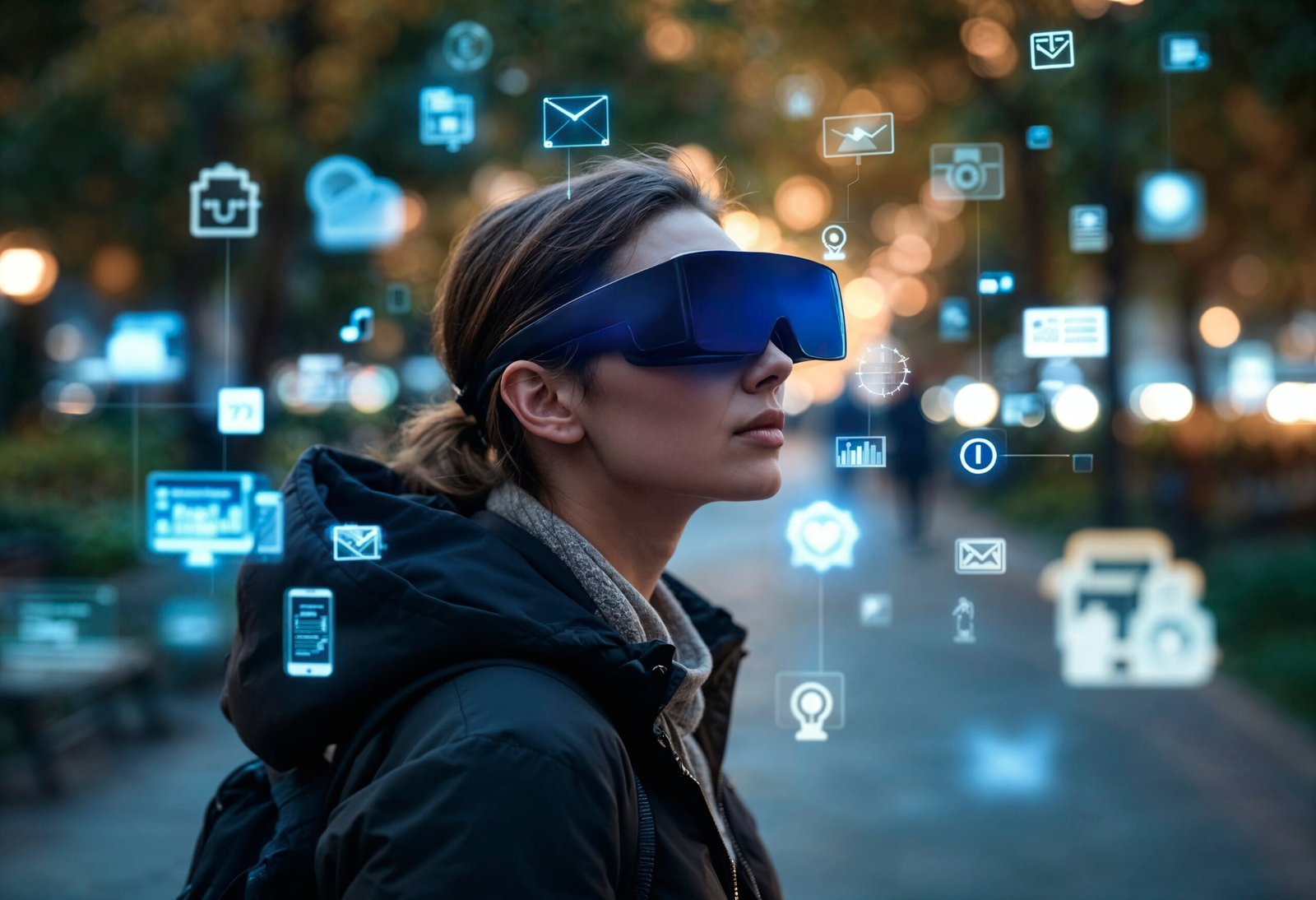
The next stage could involve technology becoming less dependent on traditional screens. Wearable devices, smart glasses, voice interfaces, and other forms of ambient computing may allow people to interact with digital services in more natural ways.
This development raises an important question: will technology become easier to use, or will people simply become surrounded by more technology?
The answer will depend on how thoughtfully these products are designed and adopted.
Understanding New Technology Before Adopting It
New technology often creates excitement, but consumers should look beyond marketing language before making decisions.
A product described as intelligent or AI-powered may offer genuinely useful features, but that does not automatically make it valuable for every user. People should consider whether the technology solves a real problem, saves meaningful time, protects personal information, and remains useful over the long term.
This is especially important as companies compete to introduce new AI features into everyday products.
A thoughtful approach to technology is not about rejecting innovation. It is about understanding what innovation actually provides.
For readers exploring emerging digital tools, the Ziimp .com Tech discussion provides another useful angle on technology and the changing digital landscape.
Privacy Is Becoming More Important
The growing use of AI and connected services also brings privacy into sharper focus.
Applications can collect information about how people interact with digital services. Smart devices may gather usage data, while online accounts can contain personal, financial, or professional information.
Users should therefore pay attention to privacy settings and permissions. Strong passwords, multi-factor authentication, regular software updates, and careful management of application permissions can reduce common security risks.
Companies also have an important responsibility. Privacy policies and data controls should be understandable rather than hidden behind complicated technical language.
As digital services become more personalized, trust will become increasingly important.
What the Future of AI and Digital Life May Look Like
The future of digital life will probably not be defined by one revolutionary device or application. Instead, change will happen through many smaller developments working together.
AI will become more deeply integrated into software and everyday services. Digital entertainment will continue expanding into specialized communities. Connected devices will become more capable, while online information will become both easier to produce and harder to evaluate.
People will need to adapt alongside these changes.
The most valuable digital skill may not be knowing every new application or technology trend. It may be knowing how to evaluate technology and decide whether it genuinely improves life.
Conclusion
AI is changing the digital world, but its greatest impact may come from the way it becomes woven into ordinary experiences. Work, communication, entertainment, shopping, learning, and information discovery are all being influenced by increasingly intelligent digital systems.
The challenge is to benefit from these developments without allowing technology to control attention, decisions, or personal information.
MagazinePanda com fits naturally into this conversation by exploring technology as part of everyday life rather than treating innovation as a collection of isolated trends. Understanding AI, digital culture, online entertainment, privacy, and digital well-being together gives readers a clearer picture of how technology is shaping the present and what it could mean for the future.
The digital world will continue changing, but people still have a choice in how they participate in it. Staying curious, asking better questions, and using technology intentionally can make that future more useful, balanced, and human.