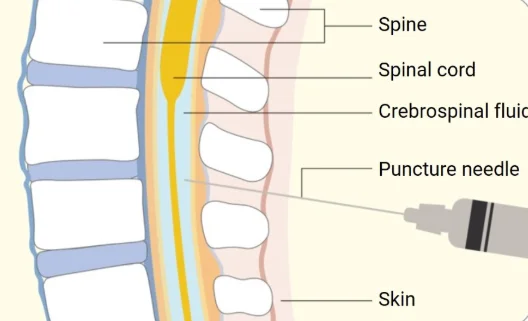
Intrathecal drug delivery (IDD) provides an innovative solution for managing chronic pain. It involves administering medication directly into the cerebrospinal fluid (CSF), bypassing the blood-brain barrier. This method allows for a concentrated dose at the site of action, potentially reducing the need for systemic medication. Patients with chronic conditions such as cancer pain, spasticity, and chronic non-malignant pain may benefit from this tailored approach. As healthcare providers consider IDD for their patients, understanding its safety, benefits, and best practices is crucial in ensuring optimal outcomes and minimizing risks.
Understanding Intrathecal Administration
Definition and Purpose
intrathecal administration refers to the delivery of medication into the CSF encasing the spinal cord. The primary purpose is to achieve effective pain control or muscle spasticity relief by directly targeting the CNS. This method significantly lowers the required dose compared to oral or intravenous routes, minimizing potential systemic effects and maximizing therapeutic efficacy.
Common Applications
Intrathecal drug delivery is commonly applied in cases of severe chronic pain and muscle spasticity that do not respond well to other treatments. Conditions like cancer pain, complex regional pain syndrome, and severe spastic cerebral palsy often warrant this specialized approach. By circumventing the blood-brain barrier, medications such as baclofen and morphine can provide substantial symptom relief where other methods fall short.
Safety Benefits of Intrathecal Delivery
Reduced Systemic Side Effects
One of the significant advantages of IDD is the reduction in systemic side effects. By delivering medication directly to the target site, lower doses are required compared to oral or intravenous administration. This localized delivery minimizes systemic exposure, decreasing the likelihood of adverse effects like nausea, dizziness, and organ toxicity, which often accompany higher doses in conventional therapeutic approaches.
Targeted Pain Relief
IDD provides more precise management of pain by focusing medication delivery. This approach enhances localized pain control and improves patient comfort and satisfaction. The precision allows for tailored dosages to the site of need, leading to enhanced pain relief outcomes. This targeted delivery improves the quality of life, offering patients relief without the excessive burden of systemic medications.
Patient Selection and Best Practices
Choosing Fit Candidates
Selecting the right patients for intrathecal therapy is essential for success. Ideal candidates typically have chronic, refractory pain that has not responded to standard treatments. Physicians assess the overall health, previous treatment responses, and specific medical conditions, ensuring the patient would benefit significantly from IDD without undue risks, as advised by consensus guidelines from organizations like the British Pain Society.
Clinical Best Practices
Adhering to best practices is crucial for safe and effective IDD. Clinicians follow established protocols for device implantation, medication dosing, and monitoring. Regular training and certification assure that practitioners stay aligned with guidelines from organizations like the California Pain Medicine Center, optimizing patient outcomes and minimizing complications.
Advances Improving Safety
Technology Improvements
Recent advancements in IDD technology enhance safety and effectiveness. Programmable infusion pumps allow for precise medication delivery, reducing the risk of overdosing. Innovations in pump design have led to minimization of blockages and infections, making the therapy safer over prolonged periods. These technological improvements foster confidence in IDD as a viable long-term treatment option for chronic pain management.
Refined Dosing & Catheter Design
Refinements in dosing strategies and catheter design have improved the safety of intrathecal therapies. Modern catheters are designed to reduce kinking and migration, ensuring consistent medication delivery. Adaptive dosing protocols allow for tailored treatment regimens, accommodating changes in patient conditions while maintaining consistent drug efficacy and safety.
Clinical Outcomes and Monitoring
Real-World Effectiveness Data
Real-world data highlight the effectiveness of IDD in pain management. Studies report improvements in pain scores and quality of life for patients using IDD systems. Patients often experience reduced reliance on systemic opioids, emphasizing the therapy’s potential to alter chronic pain management paradigms significantly.
Monitoring Strategies
Effective monitoring is pivotal in maintaining the safety of intrathecal therapies. Regular follow-ups allow for dose adjustments and early detection of potential issues, such as pump malfunctions or medication side effects. Comprehensive monitoring strategies, informed by resources like the Neuromodulation Journal, ensure continued effectiveness and safety in IDD systems.
Conclusion
Intrathecal drug delivery presents a promising solution for individuals with chronic pain unresponsive to traditional therapies. By understanding the specifics of its administration, safety benefits, patient selection, and advances in technology, healthcare providers can harness its potential to improve patient outcomes. Ongoing monitoring and adherence to clinical guidelines fortify its use as a safe and effective pain management strategy.